
The international order in transition: Europe’s marginalization and new geopolitical realities

Abstract The war in Ukraine has significantly reshaped the global geopolitical landscape, exposing the limitations of Western strategic planning and accelerating Europe’s geopolitical marginalization. Initially framed as a battle between democracy and authoritarianism, the conflict has instead underscored Europe’s dependence on U.S. security guarantees, the limited effectiveness of economic sanctions against Russia, and the rising […]
The International Order in Peril: From American Hegemony to Global Anarchy
Dr. Naim Asas Director, Group for International Studies and Reflections in Social Sciences (GERISS) Email: naimasasgeriss@gmail.com Introduction The post-World War II international order, often termed the “liberal international order,” was constructed upon the principles of state sovereignty, prohibition of force, multilateral cooperation, and the primacy of international law, as enshrined in the United Nations Charter […]
Ukraine 2025: How U.S. Decisions Will Shape the Future
Dr. Naim Asas Director, Group for International Studies and Reflections in Social Sciences (GERISS) Email: naimasasgeriss@gmail.com Abstract As the war in Ukraine enters its fourth year, the initial Western unity in supporting Kyiv has fractured, revealing deep geopolitical fault lines. Russia has demonstrated remarkable resilience in adapting to Western sanctions, leveraging economic realignments and diplomatic […]
Conférence de Paris sur la Syrie : Entre reconstruction et luttes d’influence géopolitique

Dr. Naim Asas Director, Group for International Studies and Reflections in Social Sciences (GERISS) Email: naimasasgeriss@gmail.com Introduction Le 13 février 2025, Paris a accueilli une conférence internationale cruciale consacrée à la transition politique et à la reconstruction économique de la Syrie post-Assad. Organisée sous l’impulsion de la France et de plusieurs partenaires internationaux, cette réunion […]
Geopolitical Strategies and Global Issues: China’s Rise in the World Order
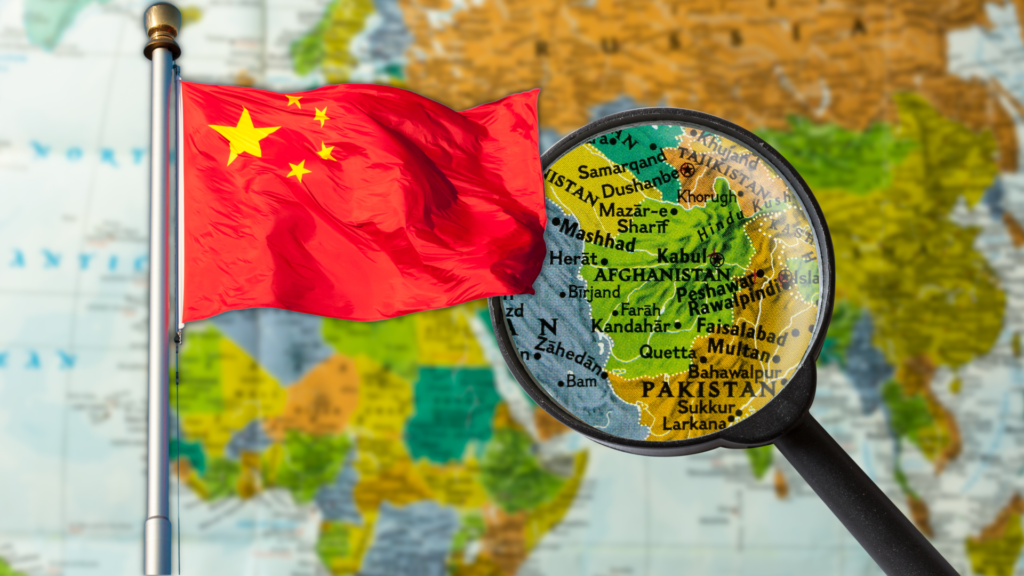
Geopolitical Strategies and Global Issues: China’s Rise in the World Order Dr. Naim Asas Director, Group for International Studies and Reflections in Social Sciences (GERISS) Email: naimasasgeriss@gmail.com Abstract China’s rise as a global power has transformed the international system, challenging the Western-led liberal order and fostering a multi-polar global balance. This paper examines China’s geopolitical […]
The War in Ukraine: A Strategic, Military, Economic, and Diplomatic Analysis
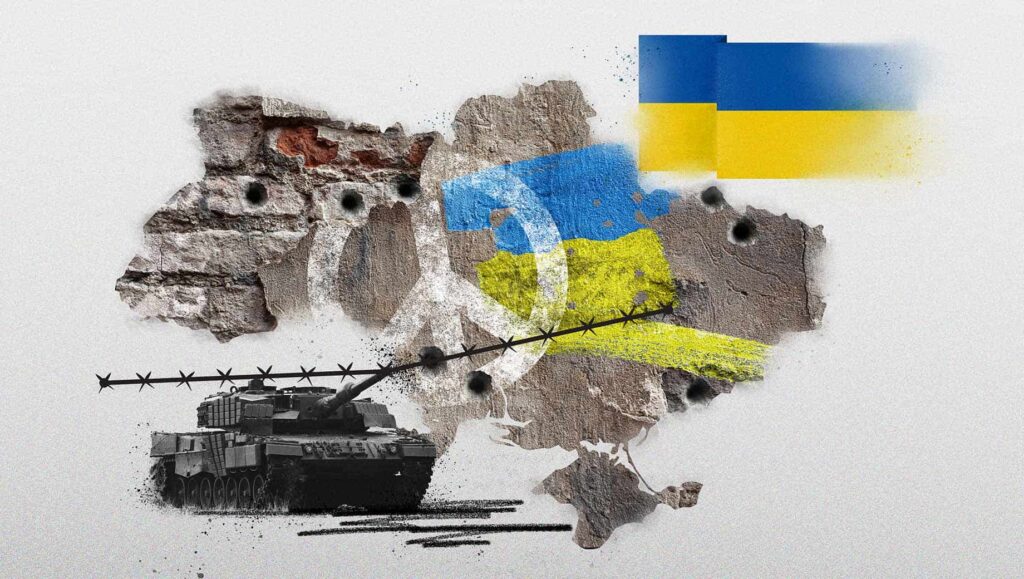
Dr. Naim Asas Director, Group for International Studies and Reflections in Social Sciences (GERISS) Email: naimasasgeriss@gmail.com Abstract The full-scale Russian invasion of Ukraine on February 24, 2022, marked one of the most significant geopolitical crises of the 21st century. Initially, Ukraine managed to withstand Russian offensives with substantial military and financial aid from NATO and […]
Syria’s Kurdish Dilemma: The SDF, Disarmament, and Global Power Struggles
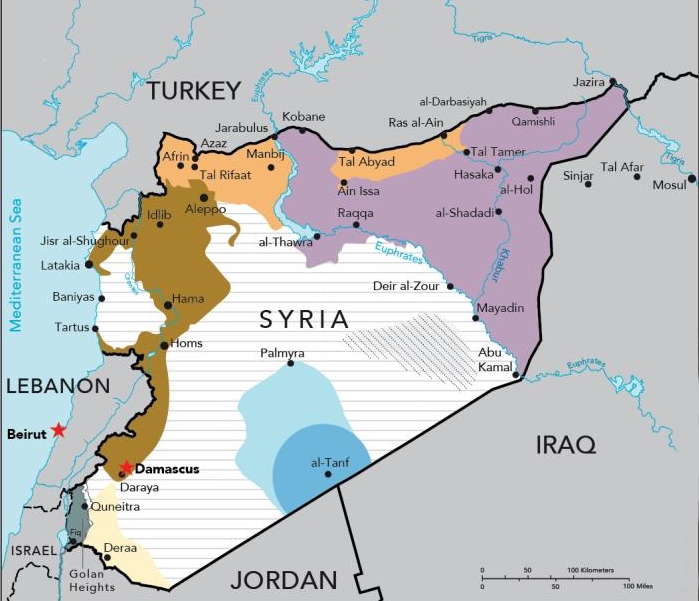
The post-Assad era in Syria has introduced a new phase of uncertainty, particularly regarding the future of the Syrian Democratic Forces (SDF). Dominating northeastern territories and maintaining strategic alliances with the United States, the SDF remains a pivotal force in the region. However, the demand for their disarmament and integration into the national framework has […]
Machiavelli’s Legacy: A Comprehensive Analysis of Power, Leadership, and Realism in Contemporary Governance
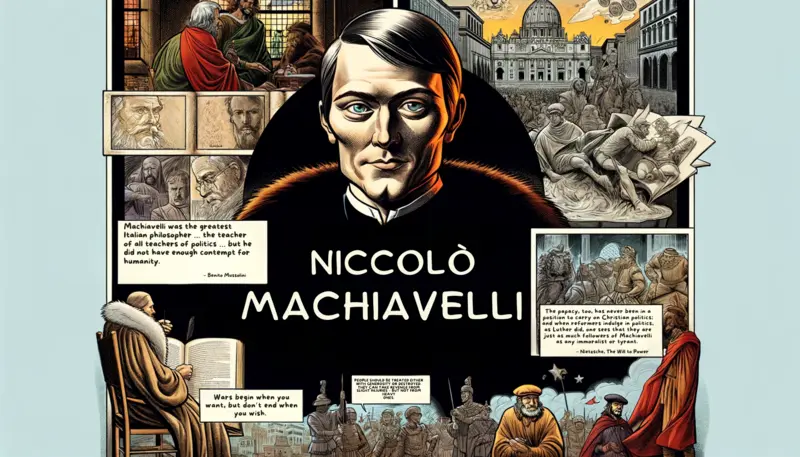
1. Introduction 1.1 Historical and Theoretical Context Niccolò Machiavelli, born in Florence in 1469, emerged as one of the most influential thinkers in the Western intellectual tradition. His political theories, particularly articulated in The Prince (Il Principe), mark a departure from the moralistic and idealistic traditions of medieval political philosophy. Living during a time of […]
Navigating Global Power Shifts: A Comprehensive Analysis of U.S. Foreign Policy through Realism, Liberalism, and Constructivism
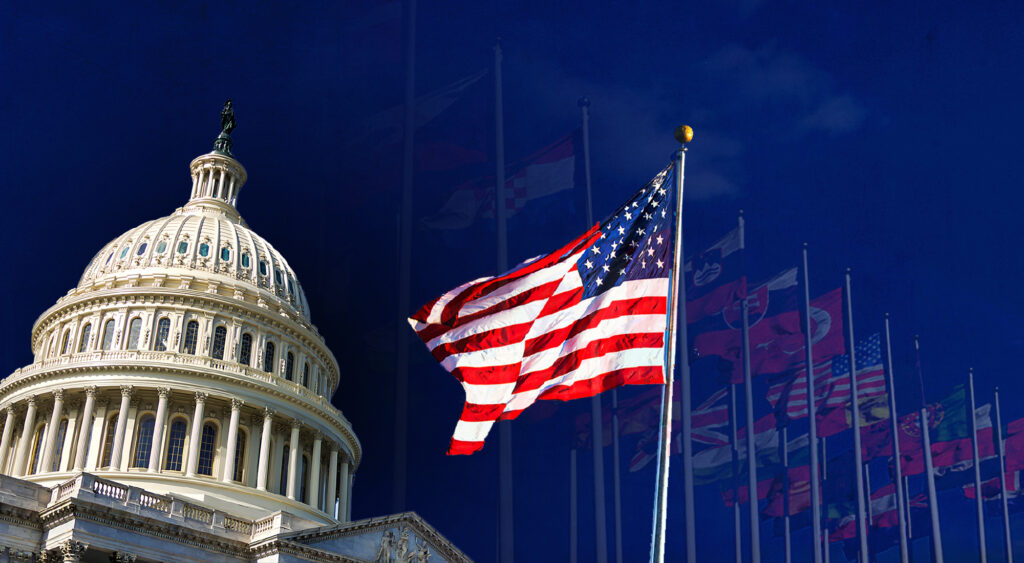
Abstract The United States remains a central actor in global politics, navigating shifts from unipolar dominance to multipolarity and addressing complex challenges such as climate change, cybersecurity, and great power competition. This article examines U.S. foreign policy using three key international relations paradigms: realism, liberalism, and constructivism. These frameworks are applied to case studies such […]
China Foreign Policy
1. Theoretical and Historical Foundations of China’s Foreign Policy China’s foreign policy has been deeply influenced by its historical experiences, cultural traditions, and theoretical underpinnings. Understanding these elements is crucial to interpreting China’s contemporary global strategies. This section delves into the historical roots, the evolution of modern diplomacy, and the theoretical frameworks that shape China’s […]